Inland to Steinfjellet, Grong, Munkeby Kloster, Brekken, Røros, Tynset, Folldal and Døvrefjell, 22 – 27 July.
After all our adventures up north, we really had to make a concerted effort to travel back south. The E6 is the most direct route in this part of Norway. Following the E6 took us more inland. We wanted to visit Røros again and meet up with Catriona and Emma in Dovrefjell.
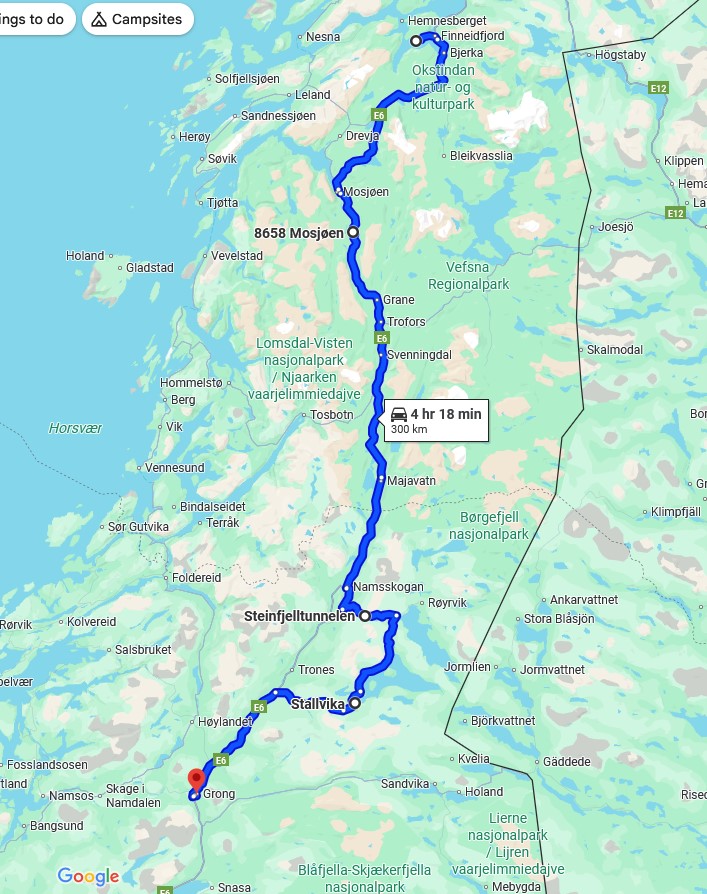
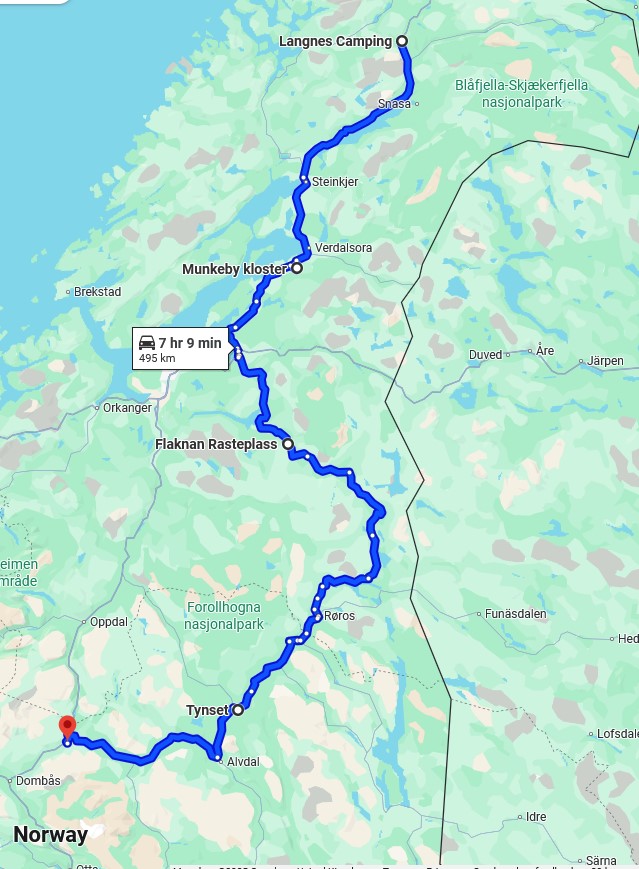
Maps: On the left the route from Mo i Rana, the E6 and a detour over Steinfjellet to Grong, where we had one night; and on the right from Grong to Munkeby Kloster, the Nea and Brekken,Røros and Tynset to Dovrefjell.
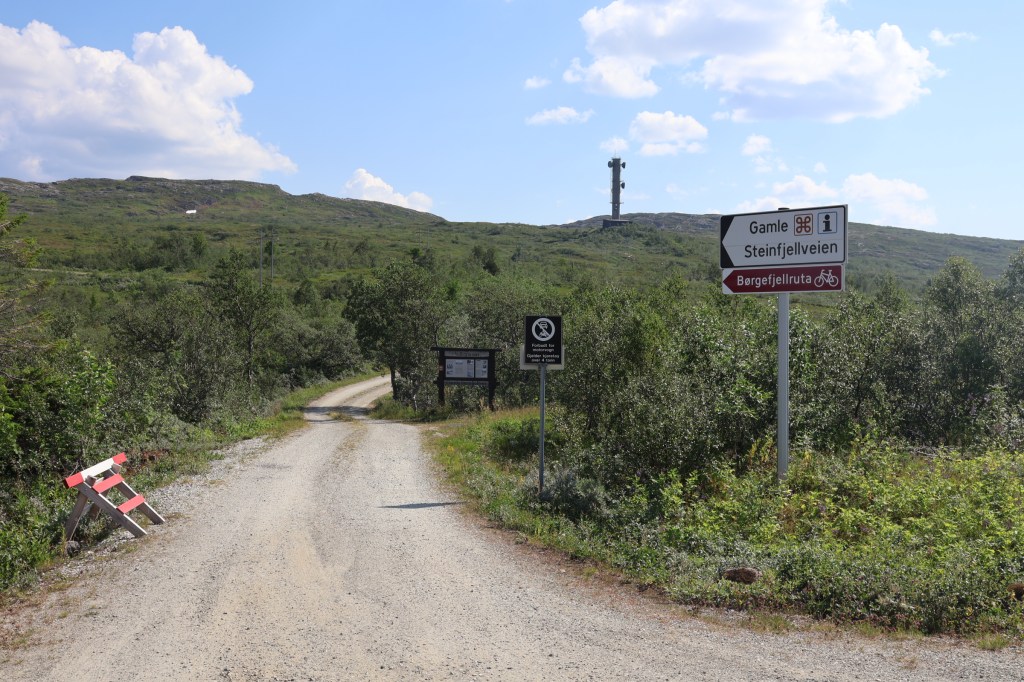
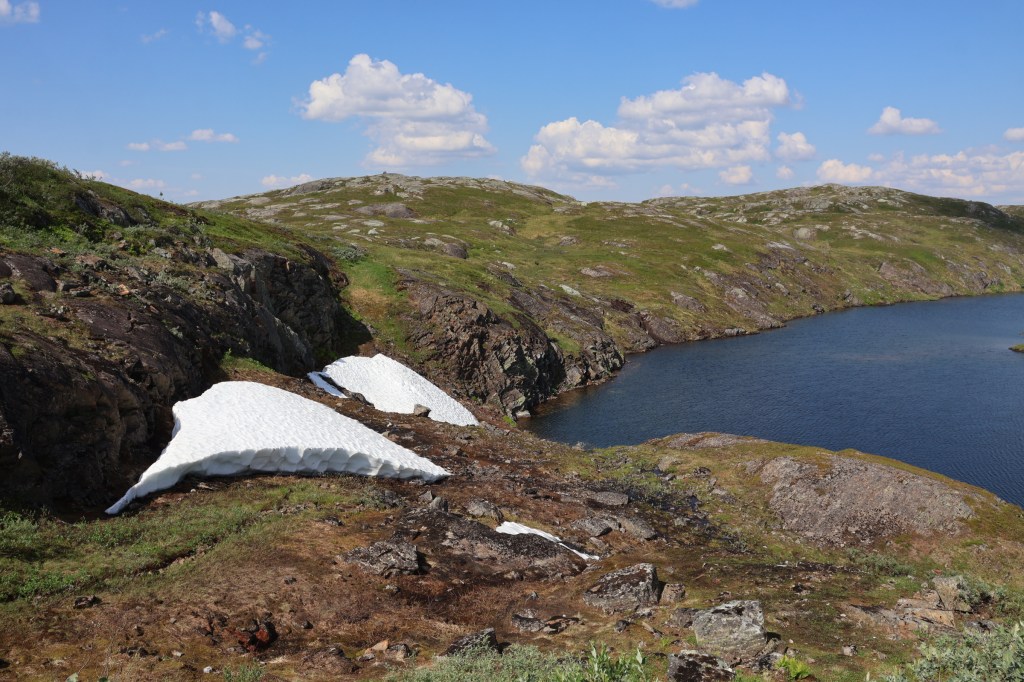
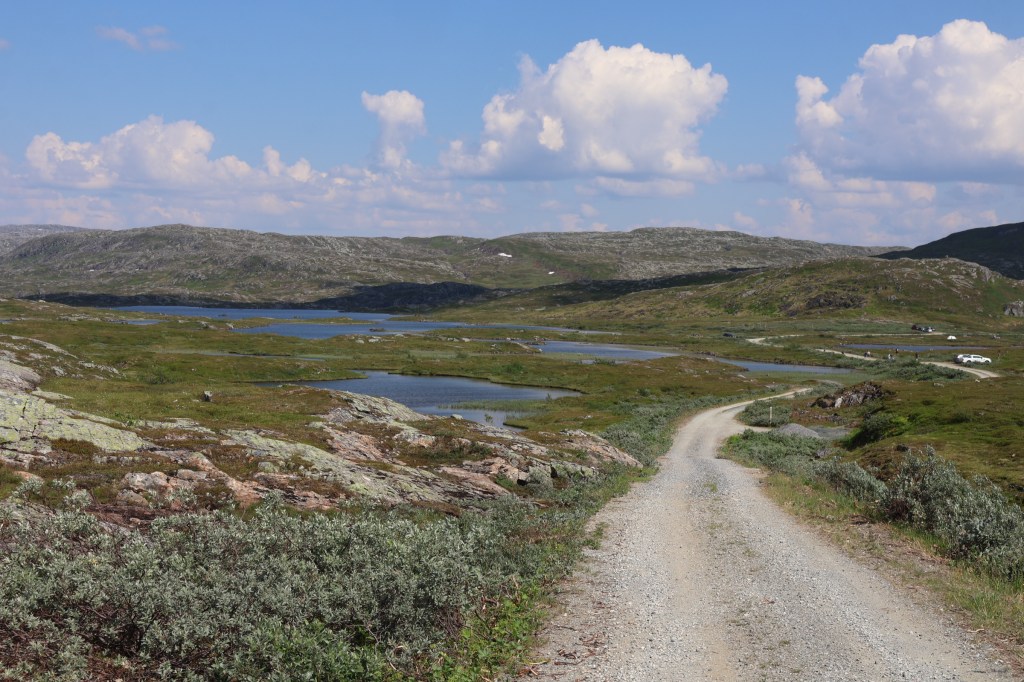
A detour to Steinfjellet appealed to us. The old road has been replaced by a tunnel but still gives a good walk. Judith drove through the tunnel and walked back to meet me near the snow patches. The birds were good here: ringed and golden plover, red and green shank, green sandpiper, ring ousel and bluethroat, among others. It was about 28 Celsius here.
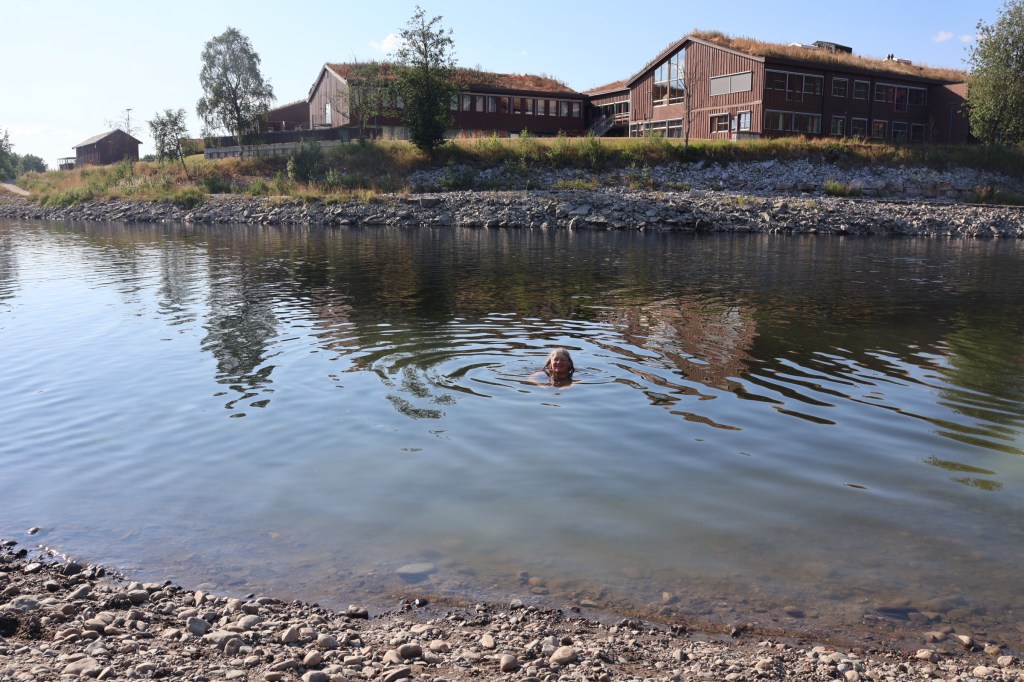
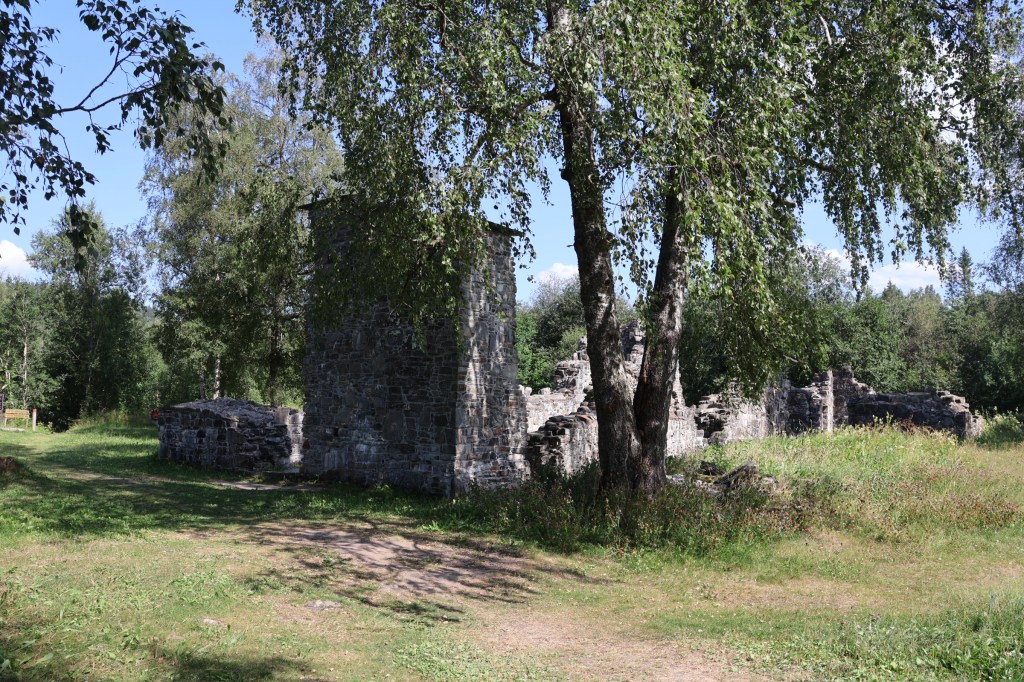
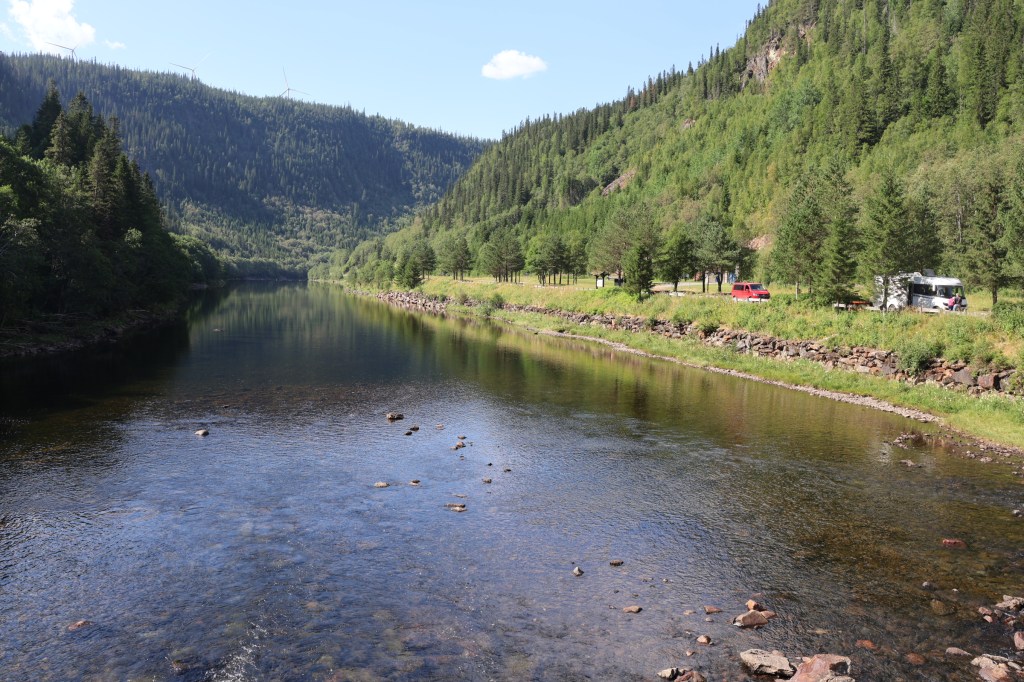
The campsite at Grong was blessed with easy access to a river to cool off. Down the road next day, Munkeby Kloster is what it says. Munke = monk; By = town; Kloster = cloister. It is a peaceful place on one of the Pilgrims routes to Trondheim. The Nea is another of these huge rivers. 30 Celsius here, and yes, we did get in.
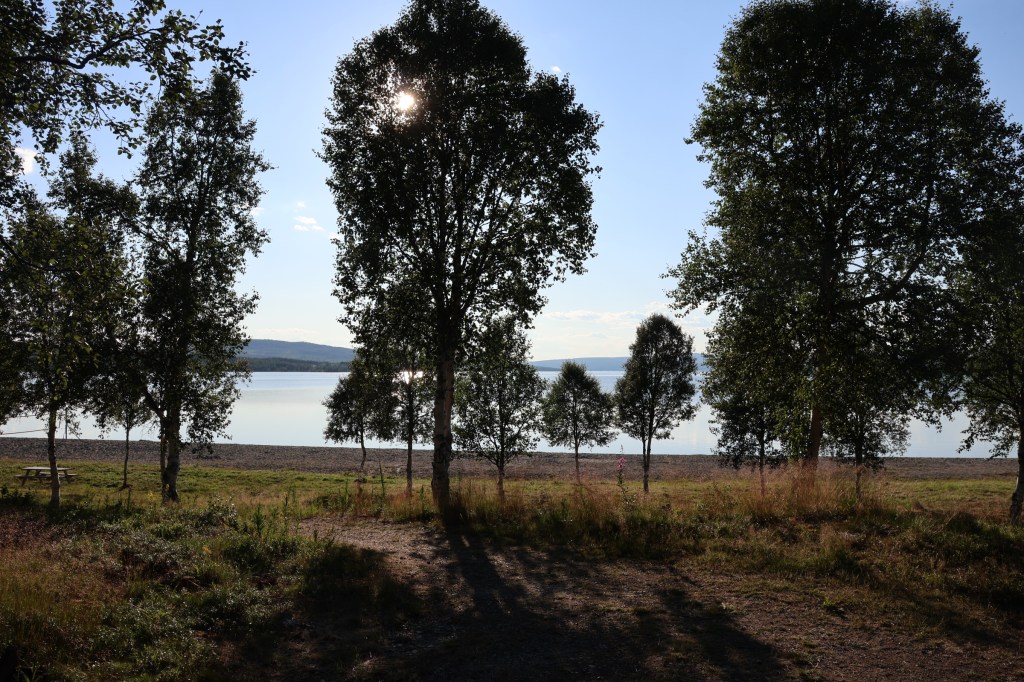
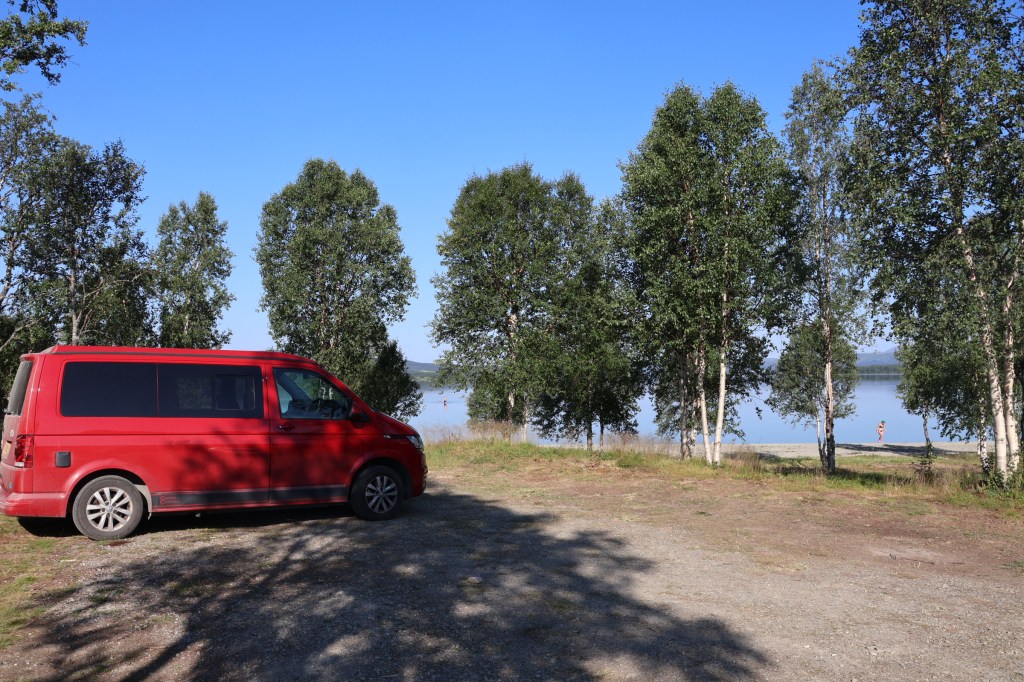
Then over a wild hill road and down again to a very pleasant swimming place near Brekken where we spent one night.
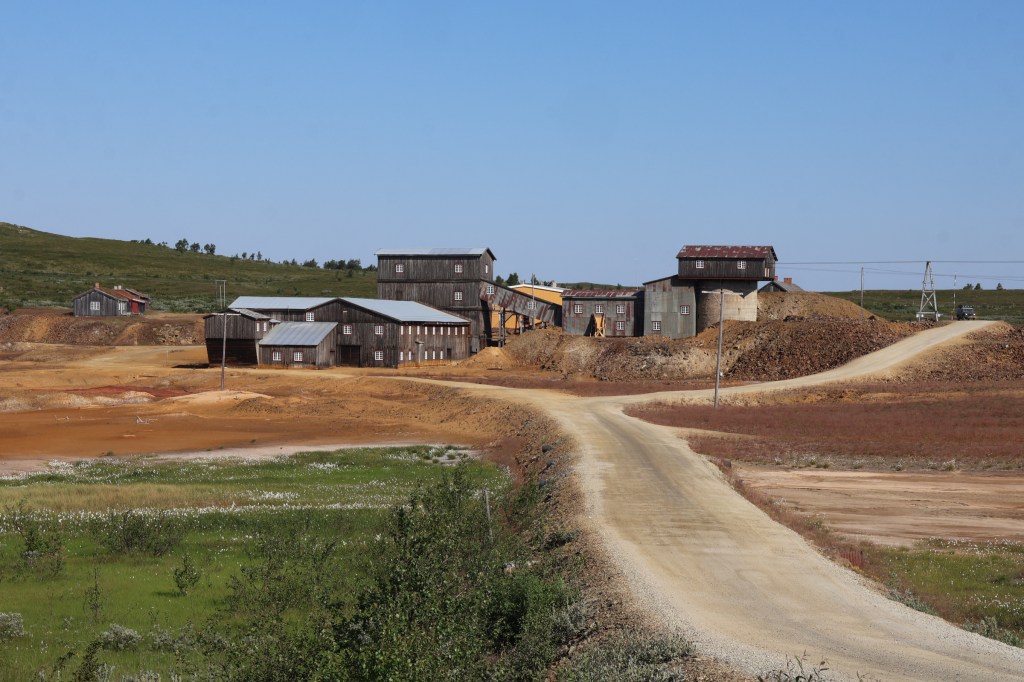
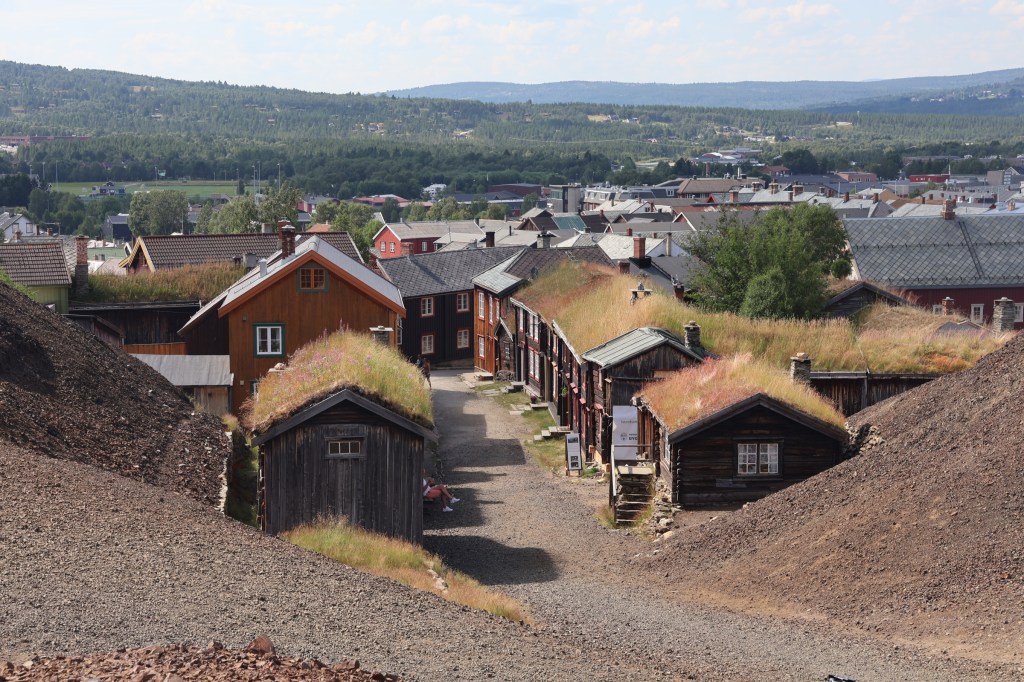
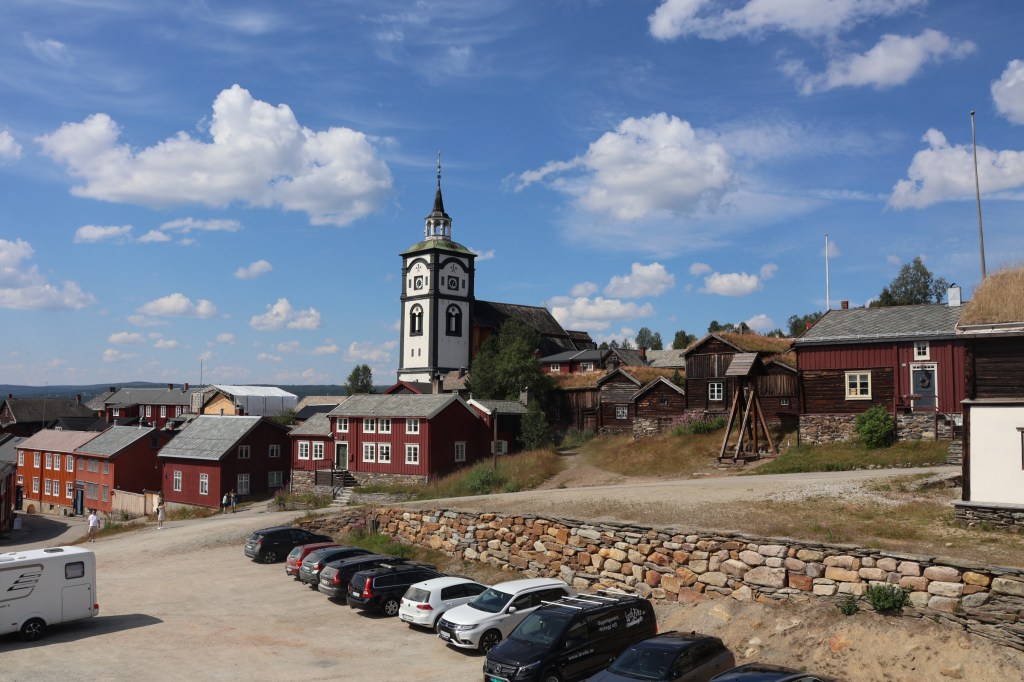
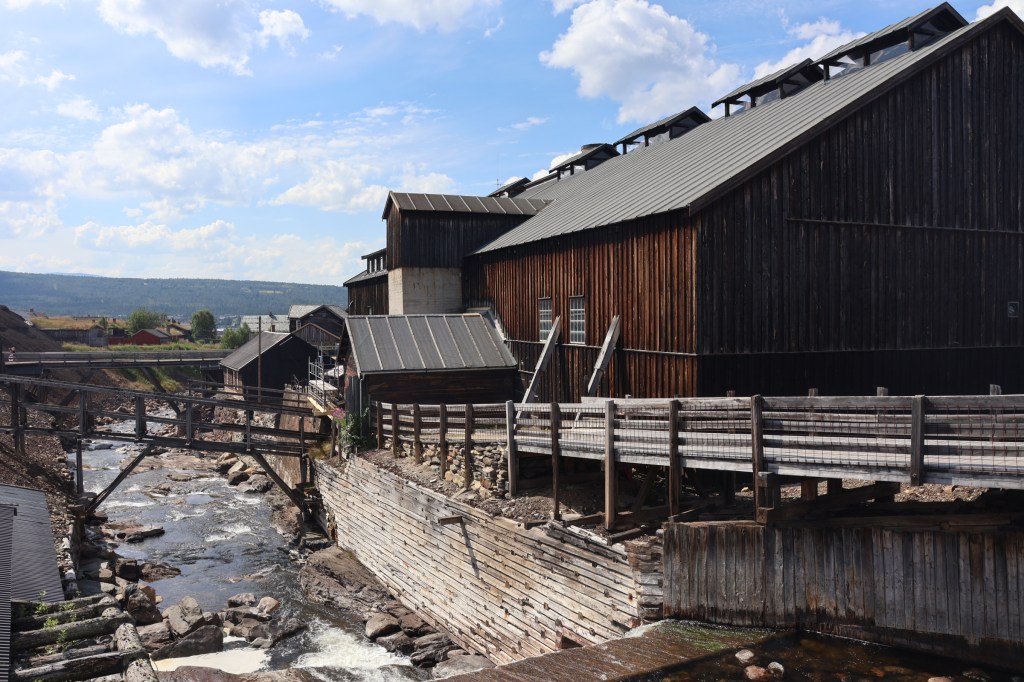
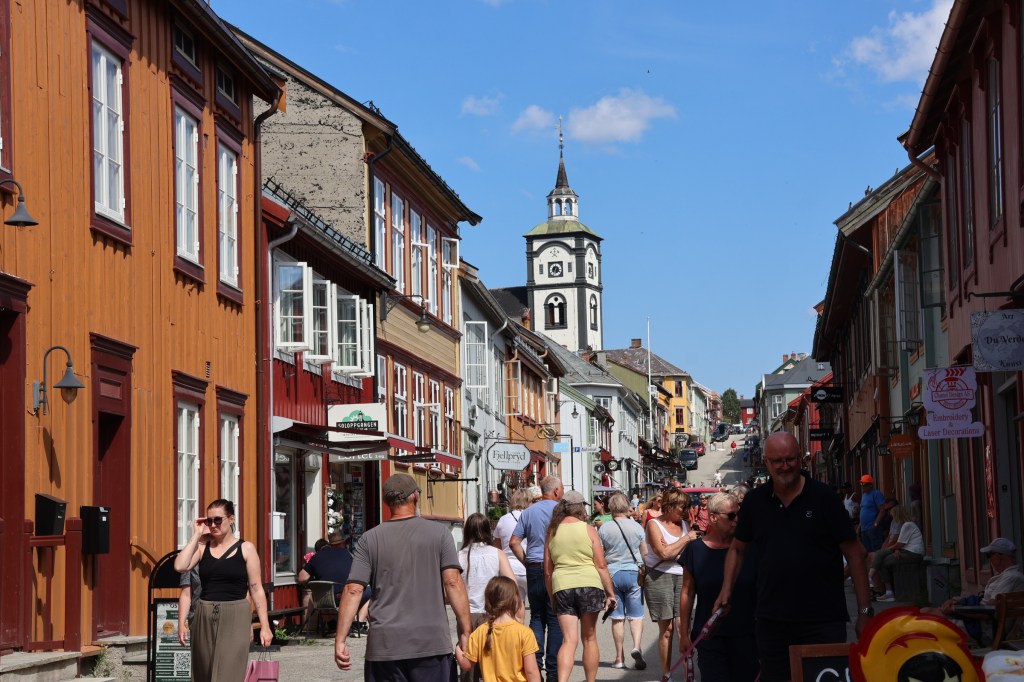
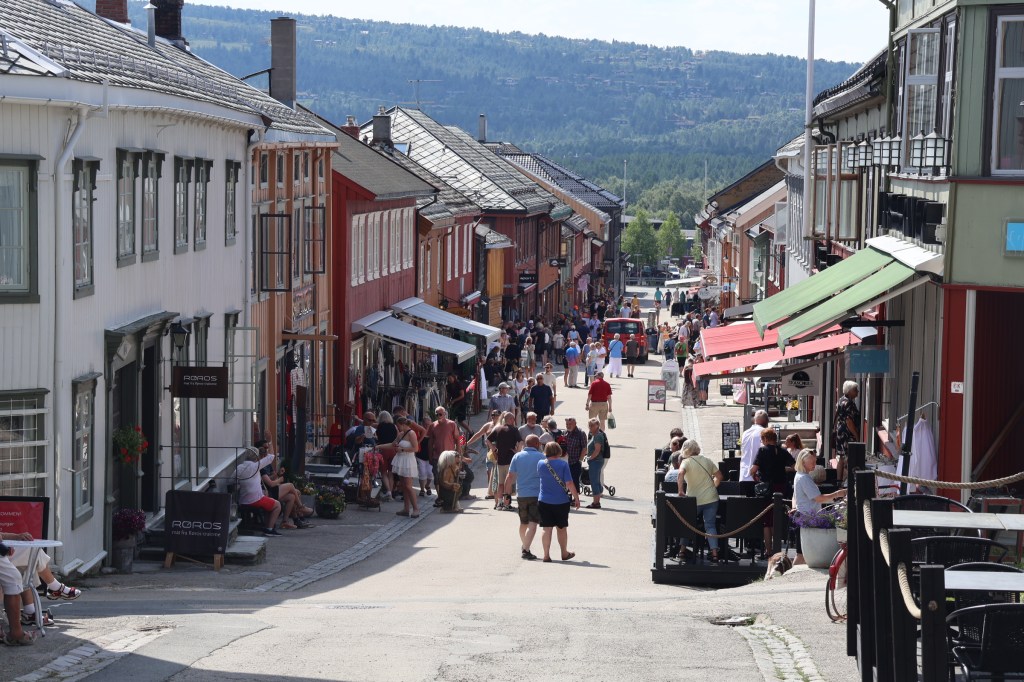
Røros is a gem. The smelter provides a first-class visit and the surroundings are completely consistent with the ancient town’s purpose. Except for the lower end of the main street, which is full of tourist traps.
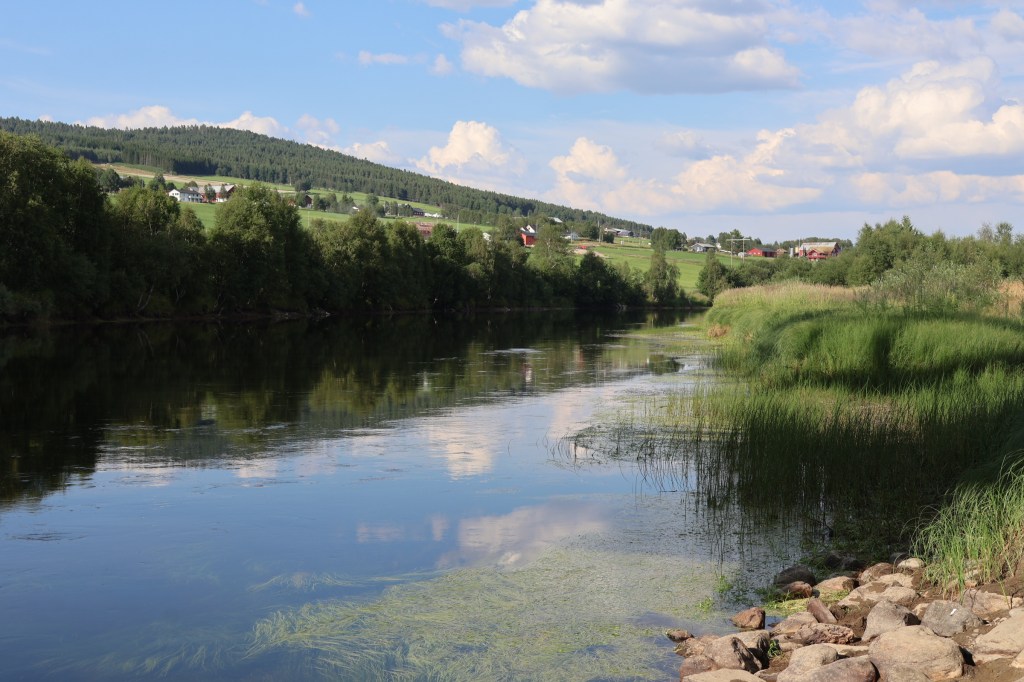
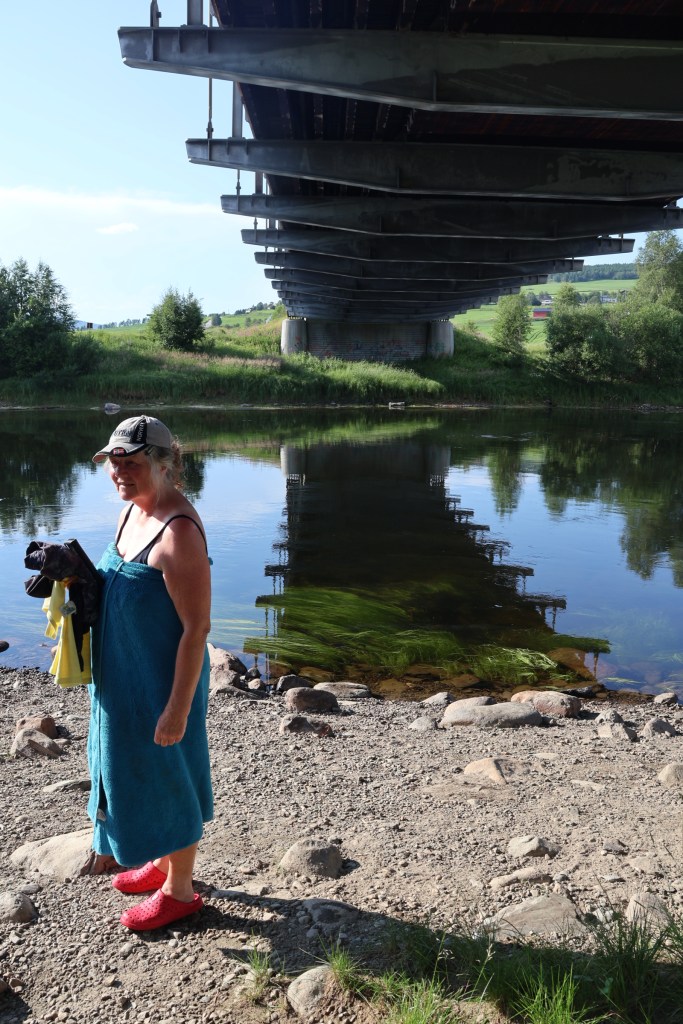
From Røros, down river, we came to Tynset camping. It was very hot, but getting into the water was hampered by reed-beds. However, under the road bridge….
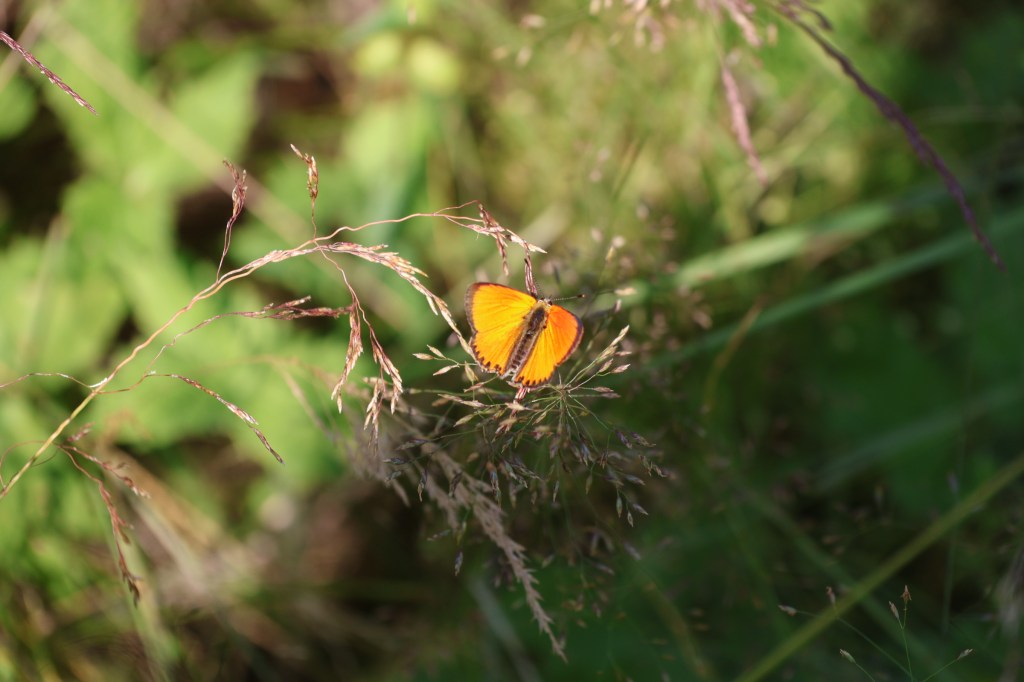
In the riverside woods were wonderful bright orange butterflies. Scarce Copper. I can see next year’s tour returning with a butterfly net. In these woods we also caught sight of a bird we had been looking for for weeks – Siberian jay, another lifer for both of us.
Next day, in Folldal, we explained at last the vass-saga. Vass = water and sag = saw.
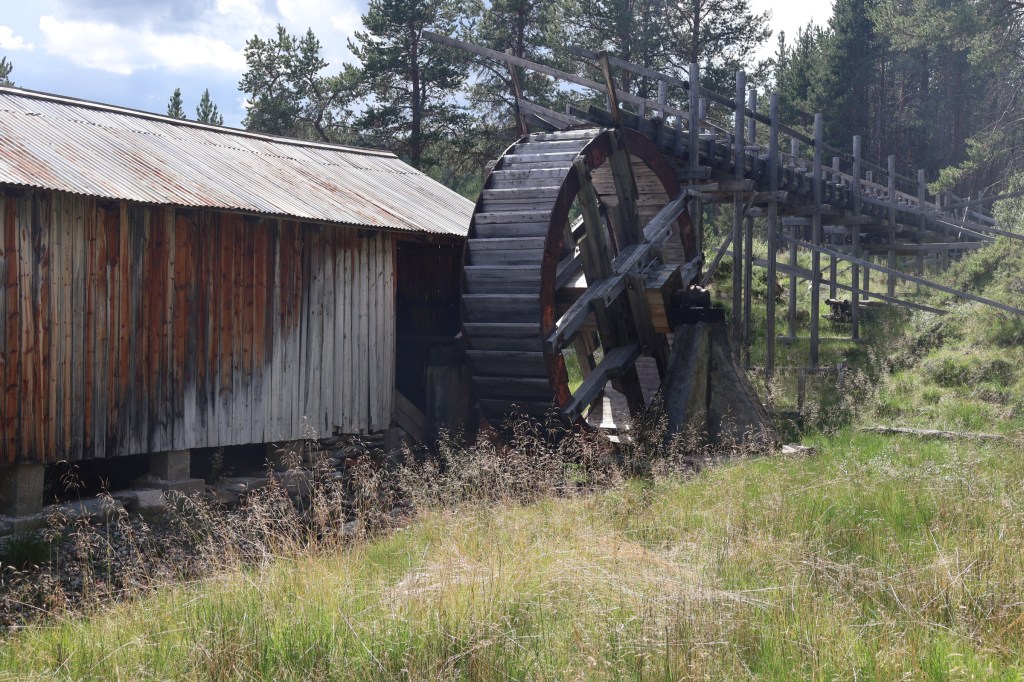
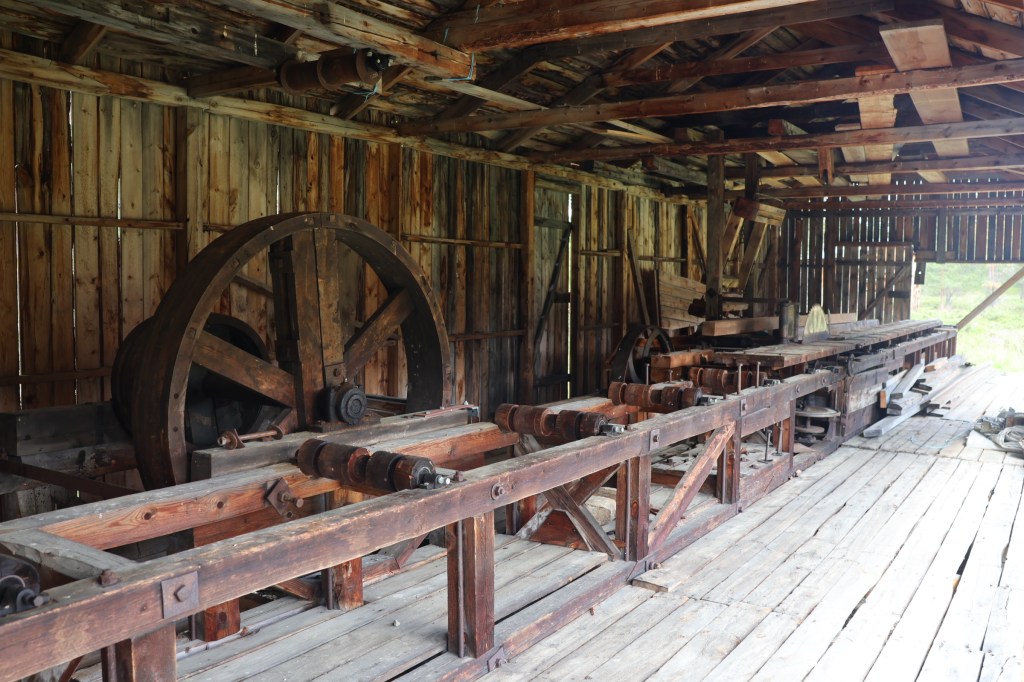
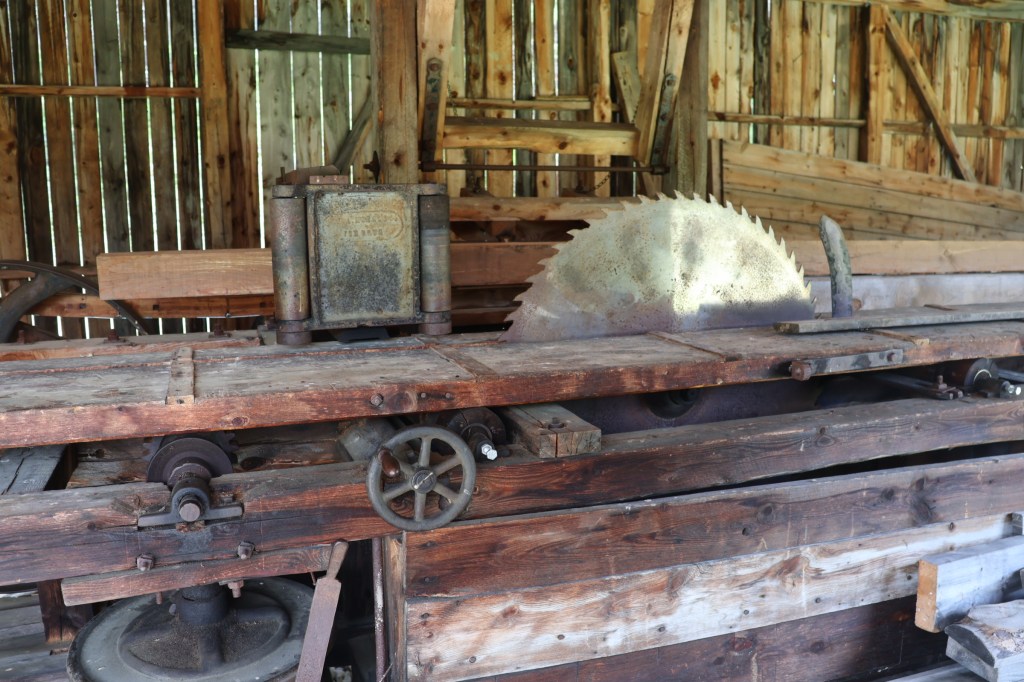
All just sitting there, ready to work whenever the water supply was available.
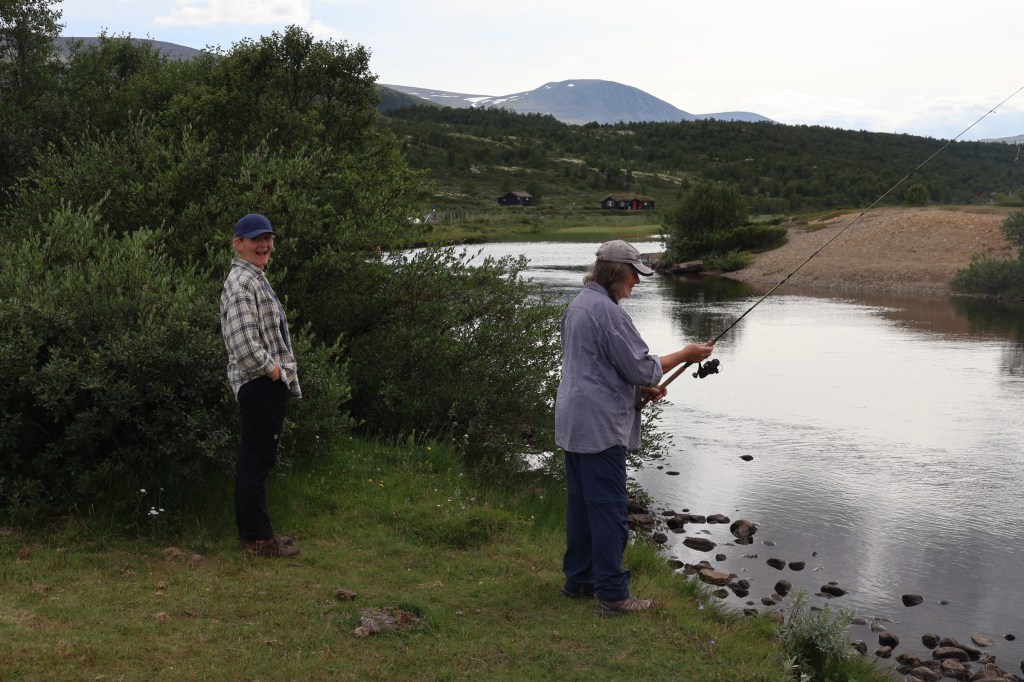
From Folldal it is a relatively short distance back to Hageseter, where we met Catriona and Emma again. The bluethroats were still in evidence – more by their offspring than the singing red-spotted males we had seen earlier. So Emma was pleased. The fishing was not so productive, but it was calming.
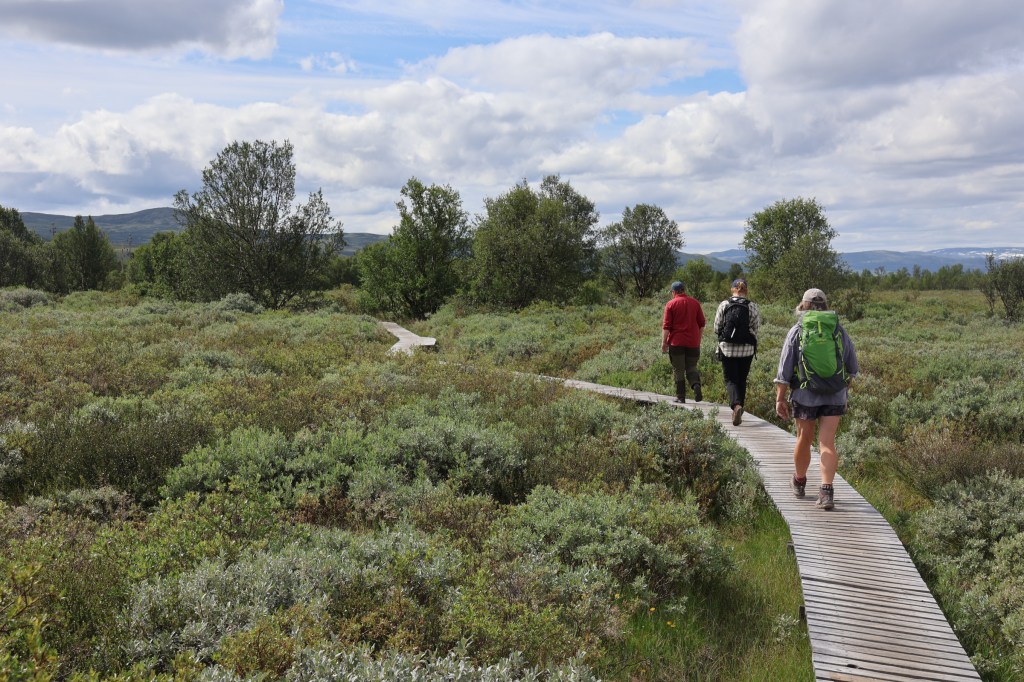
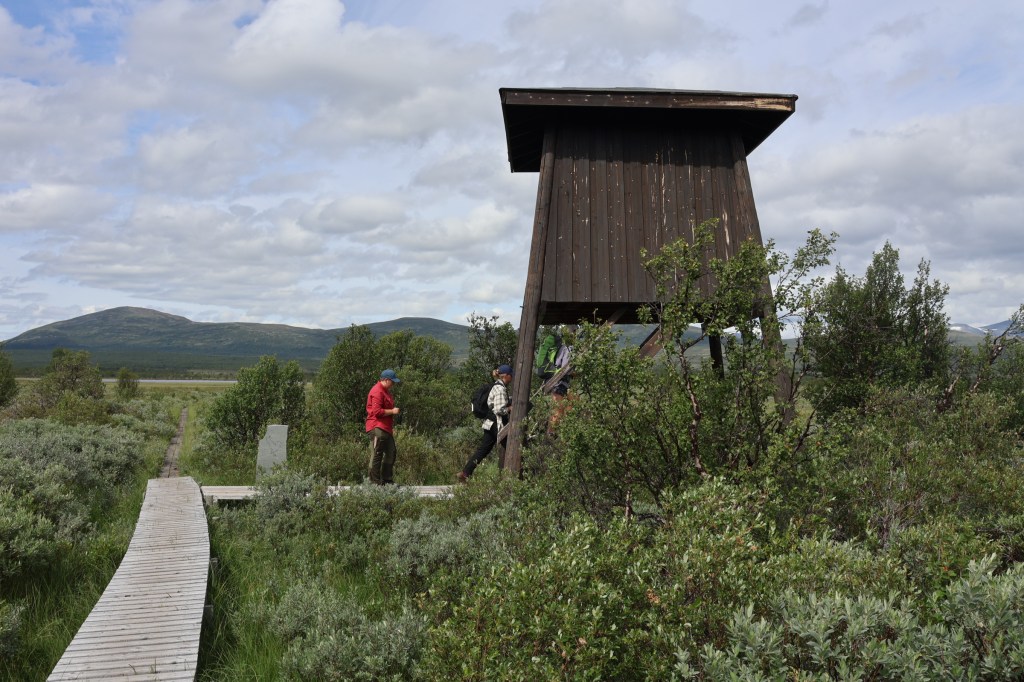
Next day we went on west and Catriona and Emma went back to work at Rissa.
 Exploring Norway